

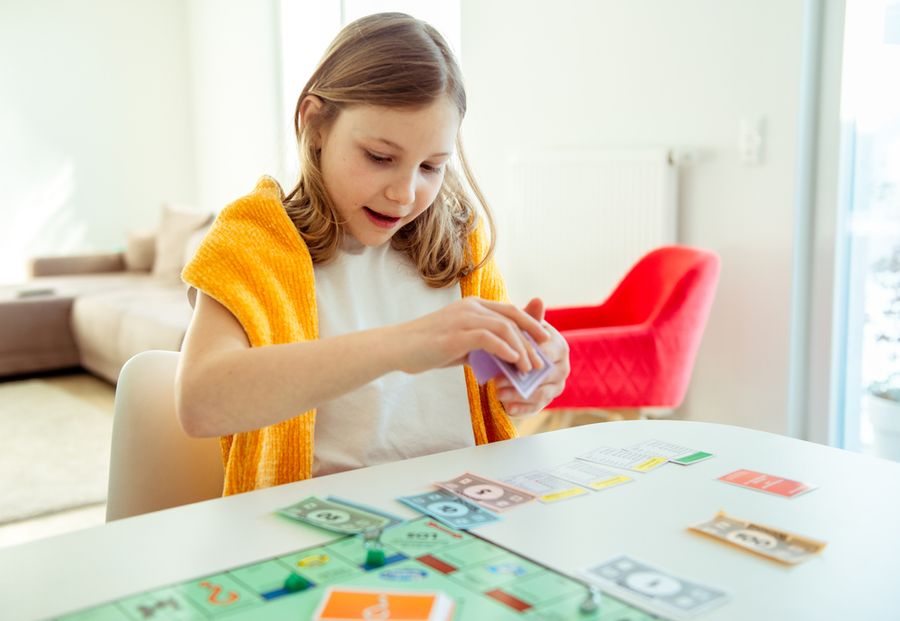
Kids absorb financial lessons more easily when learning feels playful and hands-on. Turning money concepts into games can help spark curiosity, creativity, and confidence. When children learn about earning, spending, saving, and sharing through fun activities, they build lasting skills without feeling pressured. Money becomes less mysterious and more of an exciting tool that they can control. With the right approach, even simple games can inspire smart habits that support stronger decision-making as kids grow.
Creating a Make-Believe Store at Home
A pretend store is one of the simplest ways to introduce kids to the idea of exchanging money for goods. Parents can use everyday items—books, toys, snacks, or craft supplies—to create a store environment where kids “shop” with play money. Pricing items differently encourages comparison, budgeting, and thoughtful spending. Kids also experience the idea of prioritizing what they want most within a limited budget.
Switching roles can make the game even more fun. Let your child become the shop owner and practice making change. Managing pretend transactions helps them develop early addition and subtraction skills, while also reinforcing the value of organization and customer interaction. The more imaginative the store setup, the more engaging the lesson becomes.
Turning Chores Into a Reward-Based Game
Turning household tasks into a points or token system adds excitement to daily routines. Kids earn tokens for completing age-appropriate chores, which they can later exchange for rewards or privileges. This reinforces the idea that effort can lead to meaningful outcomes, mirroring real-life earning and saving habits. A colorful chart or digital tracker keeps the system easy to follow and visually appealing.
As children accumulate points, they learn patience and goal-setting by choosing whether to exchange tokens quickly or save for larger rewards. This helps kids understand trade-offs and delayed gratification in a fun, low-pressure way. Parents can adjust tasks or reward values over time to keep the game fresh and motivating.
Using Story-Based Adventures to Teach Concepts
Kids connect deeply with stories, making narrative-based games a powerful teaching tool. Creating characters who face money-related dilemmas encourages kids to think critically. One character might save wisely and earn interest, while another might spend impulsively and face consequences. Acting out the story with toys, puppets, or costumes makes the lesson memorable and interactive.
Parents can introduce new storylines each week to build on earlier lessons. For example, a character might need to save for a journey, manage a shortage of supplies, or decide whether to take a risky shortcut. Allowing your child to help shape the plot boosts problem-solving skills and strengthens their understanding of cause and effect.
Playing Savings Challenges That Feel Like a Game
Simple savings challenges can turn financial habits into exciting competitions . A popular option is the “spare change challenge,” where kids fill a jar with loose coins or round up amounts from their allowance. Watching the jar fill up creates anticipation and reinforces how small amounts add up over time. Celebrate milestones to keep the momentum going and make progress feel rewarding.
Another fun challenge is the “weekly savings race,” where kids try to set aside a little more each week than the last. Even small increases help demonstrate consistent growth. Pairing challenges with colorful charts or stickers makes tracking progress more enjoyable. Kids begin to see saving as something that’s both achievable and fun.
Incorporating Board Games and Digital Apps
Classic board games like Monopoly Junior , Payday, and The Game of Life teach financial skills through playful strategy. Kids learn how money moves, how choices affect outcomes, and how to manage resources. These games introduce important ideas like budgeting and opportunity cost without feeling like a lesson. Cooperative play also encourages communication and decision-making.
Digital apps designed for kids offer another valuable approach. Many apps simulate real savings goals, track spending, or present financial puzzles. Interactive features like earning badges or unlocking new levels keep engagement high. Parents can explore apps together with their kids to reinforce learning and discuss choices along the way. Combining traditional and digital tools provides a balanced, engaging experience.
Using Real-Life Errands as Playful Missions
Everyday errands can double as learning opportunities when framed as small missions. At the grocery store, ask your child to compare prices, find discounts, or look for the best value between similar items. This helps develop analytical thinking and reinforces budgeting in real-life scenarios. Kids also learn how household decisions influence spending and savings.
At home, let kids participate in simple planning activities, such as creating a snack budget for the week or organizing supplies for a project. Turning these tasks into mini challenges helps build confidence and keeps learning fun. When kids feel included in real decisions, they become more aware of how money works in daily life.
Growing Financial Confidence Through Play
The most meaningful lessons happen when kids enjoy the learning process. Games help transform financial concepts into something exciting, approachable, and rewarding. When children practice saving, spending, and earning through playful activities, they build strong habits that follow them into the future.
With a mix of imagination, hands-on exploration, and positive encouragement, families can turn everyday moments into meaningful teaching experiences. Kids discover that money isn’t intimidating; it’s a tool they can understand and use wisely.